
 Posts
Posts


Identity theft….Credit Card Protection….Data Breach….Fraud Alert….Credit Freeze. All phrases no one wants to hear but they remain front and center in our lives.
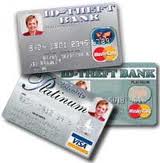 Let’s face it, we live in a world where crime rises as the economy falls. As people lose their jobs or become “under-employed”, they may become desperate to meet their financial obligations. And unfortunately, sometimes people turn to crime. Crime is not always robbing a bank or breaking into a home or business. Sometimes it becomes a bit more personal……identity theft.
We are seeing a dramatic rise in identity theft. According to the Washington Post, there were more than 8.1 million victims in 2010 alone. By capturing some basic information like social security number, date of birth, and address, thieves can open new credit card accounts, bank accounts, and even make major purchases like cars in YOUR name. Any of you who have experienced identity theft can attest to the time and expense it takes to repair your name and credit ratings.
Individuals have become more aware of the threat of identity theft. Many families are shredding their personal information like charge card receipts, bank statements, utility bills, checks, etc. before disposing of them. While this habit certainly helps, an individual needs to do more.
Businesses have been fighting back, by participating in programs like “PCI Compliance”. PCI Compliance is a standard set by the credit card industry to ensure secure handling and data retention for credit card transactions. Compliance includes a checklist of steps like criminal background checks on employees, encrypting the data transmissions of sensitive information, using and maintaining anti-virus software within a data platform, and more. If a business does not adhere to PCI compliance regulations, and a data breach occurs, the compromised business may be subject to additional fines and/or penalties.
A data breach can be extremely costly to a business. According to Information Week, the cleanup of the latest Sony data breach of their Playstation network will cost the company upwards of $171 million!
Many businesses have begun purchasing insurance programs to provide coverage for credit repairs should a breach occur. Many of these are limited programs and provide only notification, not assistance in repairing the damage. Those services come as an extra cost on many polices.
A new trend is developing in the market that is little known to the consumers. Businesses are purchasing identity theft solutions for their data bases, which can be upsold to provide comprehensive coverage to the consumer for a dramatically reduced price. Because the large corporations have the power of a substantial subscriber base, they are able to negotiate favorable rates for their customers. These programs are being packaged as another “benefit” to being a customer or member of an organization. Comcast is the latest example of a business to roll out a program for it’s customers, calling it “Constant Guard from Xfinity”.
Whether you have a business looking to add an identity program to your suite of products or an organization or union looking to add benefits for your members, contact me @Davehanron on Twitter or via email at Dave@davehanron.com for more information on the available programs.

